Why Safety Rules Are Not Enough
Every safety advisor knows the frustration. Employees know the rules. They attended the training, passed the test and signed the attendance sheet. Yet the same unsafe behaviours keep returning on the work floor. As one safety advisor put it: “We give more and more safety trainings every year, but the number of incidents has even increased.”
Share this article
The 5 biggest challenges — and what works better
- People know the rules, but still don't follow them
- Production pressure competes with safety
- Unsafe habits become normal
- Beliefs are stronger than procedures
- People hesitate to speak up
People know the rules, but still don't follow them
"We've explained this procedure at least ten times. Everyone knows it by heart. Yet every safety walk shows people don’t stick to it." Safety Manager
Better approach: Discuss decisions instead of repeating procedures.
Workers often know the correct procedure. The challenge is understanding why a shortcut or risky choice seemed reasonable at that moment. By discussing realistic situations and dilemmas from their own reality, people become more aware of the factors that influence their decisions.
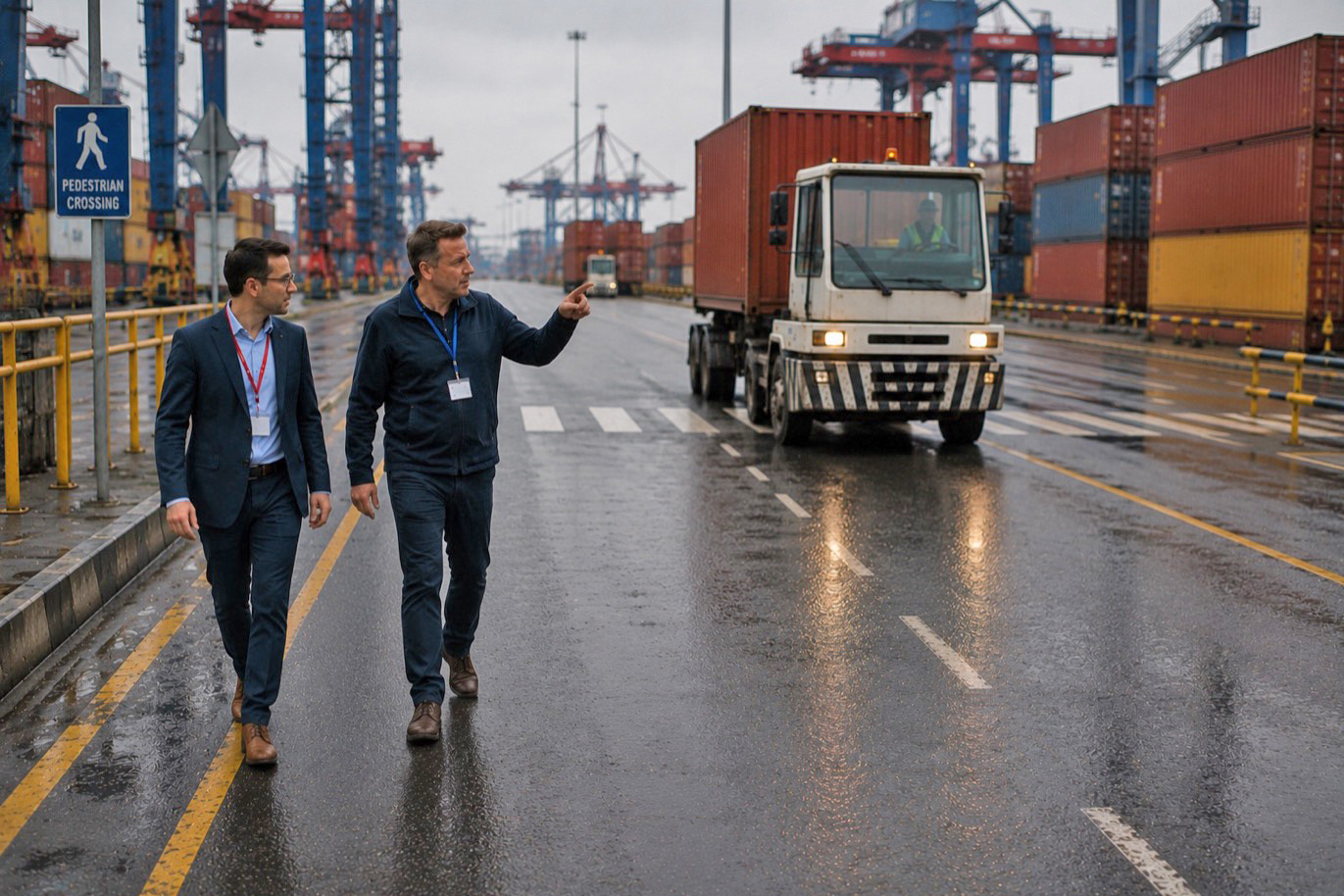
Production pressure competes with safety
"The moment operations get busy, safety suddenly becomes negotiable." Operations Manager
Better approach: Practice balancing priorities before incidents happen.
Employees rarely choose between safety and danger. More often, they choose between safety and speed, deadlines or customer expectations. Discussing realistic scenarios helps teams recognize these tensions and make better decisions under pressure. The behaviour of leaders and leading by example is crucial here.
Unsafe habits become normal
"Nobody sees it as a risk anymore because we've always done it that way." Teamleader
Better approach: Make hidden risks visible.
When risky behaviour does not immediately lead to an incident, it gradually becomes accepted as "the normal way of working." This is especially true for experienced people. At the same time, newcomers copy their colleagues or worse, are even wrongly ‘corrected’ when they try to follow the rules. Teams need opportunities to identify shortcuts, challenge habits and discuss risks they may no longer notice.
Beliefs are stronger than procedures
"The rule says one thing, but people still make different choices. They all seem to think they are untouchable." Shift Manager
Better approach: Surface the beliefs behind behaviour.
People rarely say: "I don't know the rule."
More often, they think:
- "I've done it this way for years."
- "It's only a one-time exception."
- "Nothing has ever happened before."
These beliefs often influence behaviour more than written procedures. Talking about safety without touching the underlying beliefs has little chance of having real impact on lowering incidents. Making them visible is the first step towards changing them.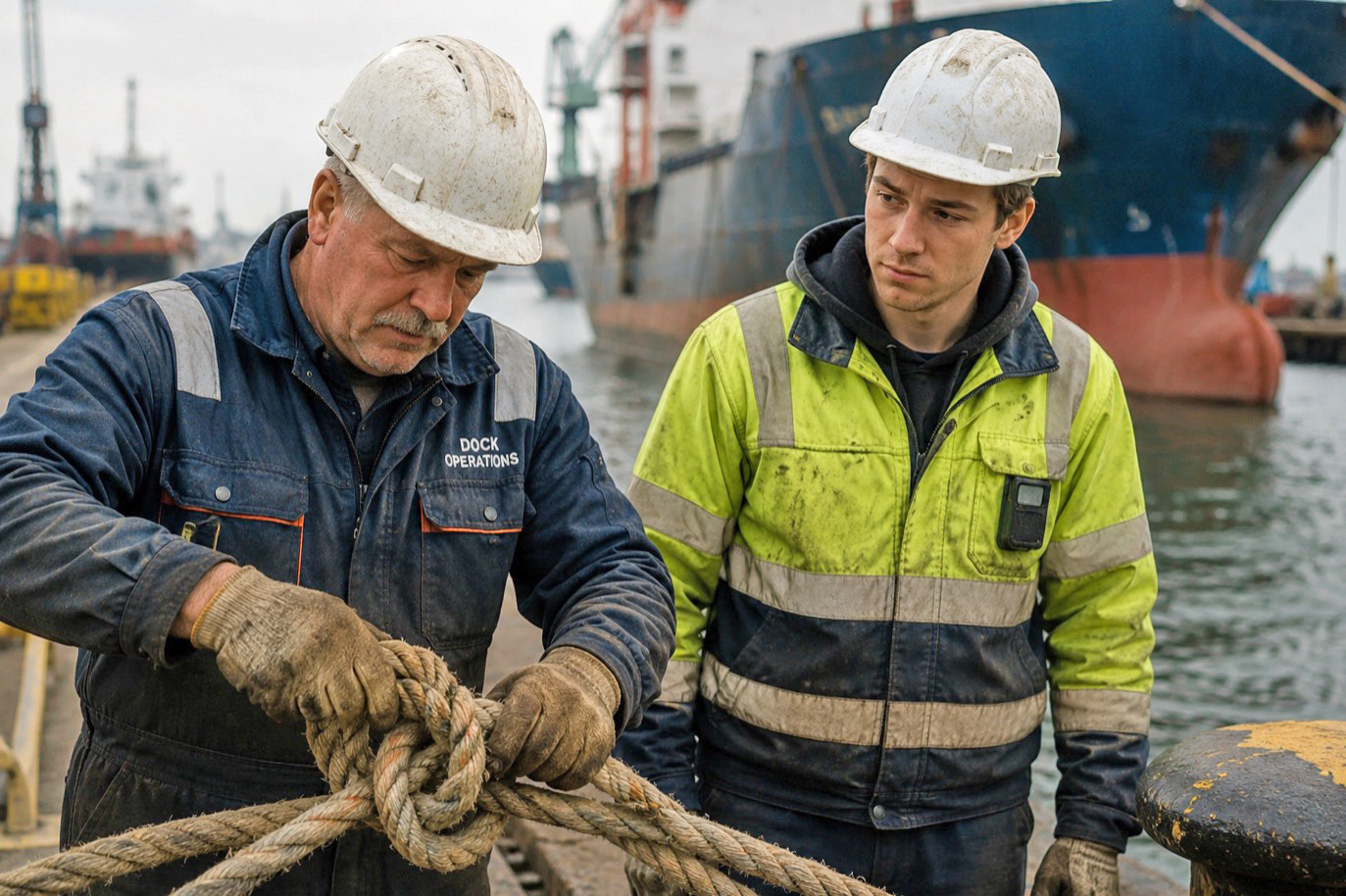
People hesitate to speak up
"People see unsafe behaviour every day, but they don't always say something. They feel it is not up to them. Safety needs to be culture, not some hassle or nuisance." HSE Manager
Better approach: Practice feedback and difficult conversations.
Most workers notice unsafe situations. Far fewer intervene. People need practical opportunities to learn how to challenge unsafe behaviour respectfully, regardless of hierarchy or job title.
Moving from Rules to Behaviour
Safety improves when people talk about decisions, beliefs and behaviour.
"Our accident statistics improved only after our conversations improved." HSE Manager
If we want people to work safely, we need more than rules. We need reflection, discussion and practice. That is exactly why we made the interactive learning game Safety Train. The architecture is there, but to be effective, people need to recognize themselves. The learning game is designed to hold your rules, your situations, your risks and typical potential incidents.
Participants:
- discuss realistic dilemmas
- uncover underlying beliefs
- learn to turn these beliefs around into positive ones
- practice giving feedback
- learn from each other's experiences
The result?
Not just more knowledge.
But safer decisions when it matters most.
Because safety does not improve when people know the rules. Safety improves when people choose to apply them.
Share this article

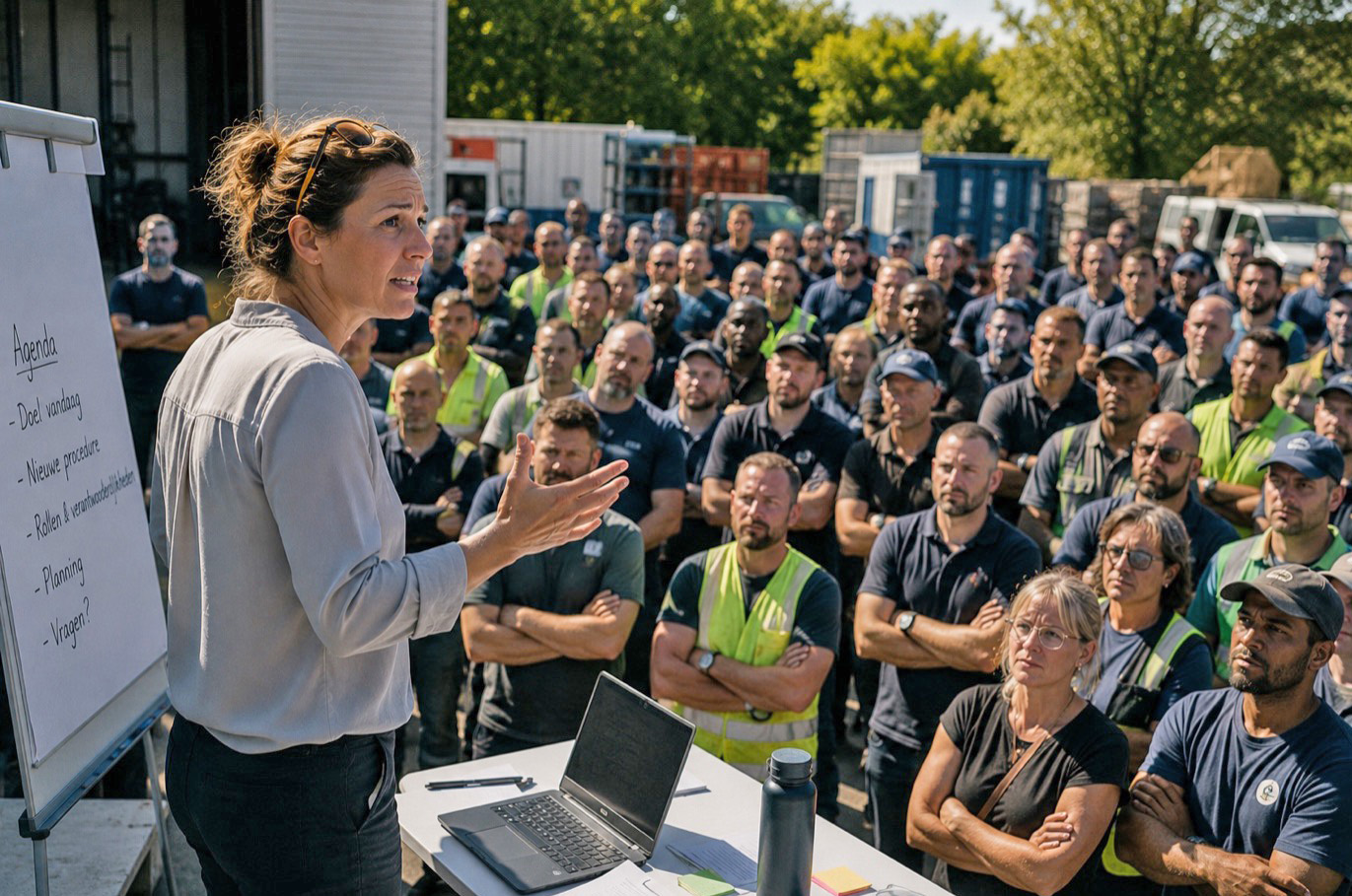


Ready to move from safety rules to safe behaviour?
Discover how Safety Train helps teams discuss real situations,
challenge unsafe habits and create lasting behavioural change.